

Travel guide · Christchurch and Canterbury
Freedom Camping in Christchurch: The Complete Guide to Places, Council Rules and a Better Stay
A morning beside the Pacific, an afternoon along the Ōtakaro Avon River, then a drive towards the harbours of Banks Peninsula: Ōtautahi Christchurch is a rewarding place to begin a campervan journey. The trick is knowing which beautiful places are for visiting, and which are actually legal places to spend the night.
This guide covers Christchurch city, Lyttelton and Akaroa, then looks beyond the city boundary at four free camping reserves in Selwyn. It explains the current council rules, green-warrant requirements, coastal stay limits, facilities, seasonal closures and realistic backup options. These are recommendations based on the published rules and the kind of trip each place suits, not claims that we have personally stayed at every site.
Council information checked on 26 November 2026. Temporary closures, parking signs and site conditions can change. Check the official links before travelling and read the signs when you arrive.
Places in this guide
Camping sites, facilities and places to visit, with Google Maps for each location. Restricted locations are listed separately; a map pin is not permission to camp.
Where should you camp around Christchurch?
If you have a currently certified self-contained vehicle and want to stay close to the city, start with the City Coastal Restricted Zone. If your trip centres on Lyttelton, check Naval Point’s signposted area. For an Akaroa visit, use the 18 marked freedom camping spaces at the northern end of town. These three options have different boundaries and stay limits; they are not interchangeable.
For a free camping reserve outside Christchurch, consider Chamberlain’s Ford, Coes Ford, Lakeside Domain or Whitecliffs Domain. These are in Selwyn District, where a separate camping policy and seasonal closures apply. Coes Ford’s Area 2 and Lakeside Domain are the options the council identifies as suitable for large vehicles.
If your vehicle is not certified, or you want power, a dependable hot shower or room to put out furniture, choose a campground. A free parking space is not necessarily the best first night after a long flight, and a paid stop can make the rest of your trip considerably easier.
The current Christchurch council rules
Christchurch City Council’s Freedom Camping Bylaw 2021 came into force on 1 December 2021. The council records amendments made on 15 November 2023, effective from 22 November 2023, to align it with the changed national legislation. The council’s current camping page and June 2026 brochure should be read alongside that bylaw, rather than relying on an old blog or an outdated app pin. Read the bylaw and its maps.
The rules that matter at every stop
- You need a certified self-contained vehicle to freedom camp on Christchurch council land. Tents and uncertified vehicles need a campground with facilities, unless a specific council permission applies.
- Certification does not give permission everywhere. Prohibited areas remain prohibited, and camping in council parks and reserves is not allowed except at designated campgrounds.
- In ordinary restricted areas, the maximum stay at a location is two nights within a 30-day period. A new location must not be within 500 metres of a location where you have already freedom camped within that period.
- The City Coastal Restricted Zone has an additional total cap: four nights across the zone in any 30 days, with no more than two nights in one place and at least 500 metres between the first and second locations.
- At Naval Point and Akaroa, stay only in the designated camping area and for no more than two nights in any 30 days. Moving to a neighbouring bay does not create another allowance.
- One marked parking space means one vehicle, and your vehicle, equipment and camping activities must fit inside that space. A bigger van is not permission to take two bays.
- Parking and access rules still apply. Keep footpaths, driveways and thoroughfares clear, obey time limits and overnight restrictions, and follow enforcement officers’ directions.
There is no universal Christchurch “leave by 8am” rule stated in the sources used for this guide. Do not import Nelson’s departure time into a Christchurch trip. Instead, check the local parking restrictions, signs and any conditions for your specific site. Check current council guidance.
The bylaw applies to council land, not every piece of Canterbury
The council’s map shows regulatory zones but does not distinguish council land from every other landowner’s property. Private land, DOC land and neighbouring districts have their own permissions. A map colour is not the owner’s consent to camp. On the other hand, the city is not restricted to just the two designated sites at Naval Point and Akaroa: permitted roadside locations exist within mapped restricted areas, subject to all the relevant rules.
Self-contained vehicles: the green warrant matters
The transition to the new certification system has ended. By the date of this guide, the old blue warrant is no longer sufficient. The council says a vehicle used for freedom camping needs a current self-containment certificate and a valid green warrant card displayed in the front windscreen. A green sticker on its own is not acceptable. See the June 2026 brochure.
The requirements include a permanently fixed toilet, compliant water supply and wastewater systems, and secure rubbish storage. A portable toilet, an advertising label or a vehicle’s berth count does not prove that it is certified. Before accepting a rental, ask the partner to confirm the vehicle’s current certification and the number of people it is certified to accommodate.
That certified occupancy limit matters separately from sleeping space. The council lists a $400 infringement for freedom camping with more people than the vehicle is certified for. Keep the full travelling group within the certified limit, rather than assuming every sleeping berth gives an equivalent freedom camping allowance. Read the certification and occupancy guidance.
Enforcement is active, not theoretical
On 20 October 2026, the council announced a six-month automatic number-plate monitoring trial starting on 22 October. It checks vehicles against the self-contained register, alongside physical monitoring by council staff. An empty car park or the absence of an officer is not a reason to ignore the rules. Read the council’s monitoring announcement.
Current council guidance lists $400 for camping in breach of a bylaw restriction or in an uncertified vehicle, $200 for failing to display a valid warrant, $600 for an altered or fraudulent warrant, and $800 for damaging the environment or improperly disposing of waste. Different offences carry different fees; old references to a flat $200 camping fine are out of date.
The most useful Christchurch, Lyttelton and Akaroa options
These are three different ways to organise a stay, not three guaranteed vacant campsites. Use the linked map and signs to identify the legal space, and have a second plan before you arrive.
Christchurch City Council · Certified self-contained only
New Brighton and the City Coastal Restricted Zone
- Where
- Permitted roadside locations in the mapped zone from Waimairi Beach to South New Brighton. This is a regulated area, not a single campsite.
- Stay limit
- 4 nights total in any 30 days across the zone; no more than 2 nights in one place. Your second location must be at least 500 metres away.
- Best suited to
- Beach walks and a coastal base for exploring the city
For travellers who want the sea close by without leaving Christchurch, this is the most useful area to understand. New Brighton offers a pier, beach walks and places to eat, with He Puna Taimoana hot pools nearby. Treat sightseeing and overnight parking as separate decisions: an attractive beach car park is not automatically a legal camping spot.
- Use the council map to check the exact boundary and whether your chosen land is council-controlled. The zone includes residential streets, but excludes prohibited locations and does not override the ban on camping in parks and reserves.
- The North Ramp and South Ramp car parks immediately beside New Brighton Pier are prohibited and locked at night. North Beach car park is also prohibited from 7pm Friday to 7pm Sunday between 1 October and 1 May.
- Your vehicle must fit in one marked parking space. Do not put out chairs, tables, awnings, washing lines or cooking equipment in parking spaces. Keep doors and boots from obstructing passing traffic.
- There is no promise of a toilet, drinking water, power or a shower at an individual roadside location. Arrive with your onboard facilities ready to use and choose a campground if you want an outdoor camping set-up.
Christchurch City Council · Certified self-contained only
Akaroa Freedom Camping Area
- Where
- Northern Akaroa, south of Woodills Road / State Highway 75, in the north-eastern part of the boat park, beside the croquet club and Grehan Stream.
- Stay limit
- Up to 2 nights in any 30-day period. 18 marked parking spaces.
- Best suited to
- A Banks Peninsula detour with time to explore Akaroa
Akaroa deserves more than a rushed drive out and back. Its harbour, waterfront and village streets make it a rewarding overnight stop, but the legal freedom camping area is much more specific than the scenery suggests. The council’s June 2026 brochure identifies this as the only freedom camping location in Akaroa.
- Use the marked freedom camping bays only, with one vehicle per bay and all camping activities inside it. The council describes seven larger spaces, eight medium spaces and a further three medium spaces alongside the stream.
- The rest of the township’s prohibited area includes the waterfront and a number of valley roads and hillside streets. An empty park on Beach Road is not an overnight alternative.
- For daytime visits, the council encourages larger vehicles to use appropriately sized parking near the boat ramp. Daytime parking does not give permission to camp overnight outside the marked bays.
- Allow enough daylight for the drive over Banks Peninsula. Follow road suitability signs and your rental agreement, particularly before taking steep, narrow or unsealed side roads.
Four free camping reserves beyond the city: Selwyn District
Selwyn’s camping reserves are particularly useful if you want a rural stop or a campsite with public toilets. The council explicitly lists free camping at Chamberlain’s Ford, Coes Ford, Lakeside Domain and Whitecliffs Domain. These are camping reserves with their own policy, not examples of permission to freedom camp anywhere in Selwyn. Read Selwyn’s responsible camping guidance.
Selwyn’s stay limits and winter closures
The published limit is up to 28 days total per site during the summer season, 1 November to 31 March. During the winter season, 1 April to 31 October, the limit is 28 days total regardless of site. That is a cumulative seasonal allowance, not 28 fresh days every time you move. Closures can shorten availability, and site signs must still be followed. Check the current camping policy summary.
For 2026, the council announced no overnight camping at Coes Ford, Lakeside Domain or Whitecliffs Domain from 29 April to 21 October, while Chamberlain’s Ford remained available. Do not interpret “open all year for recreation” as “open all year for overnight camping”, or assume the same dates will apply in 2027. Read the seasonal closure notice.
The council provides toilets at these reserves and lists them for camping under its reserves policy. If you are travelling in a tent or an uncertified vehicle, confirm your intended camping set-up with Selwyn and the on-site signs before travelling. Christchurch’s roadside restrictions and Selwyn’s designated camping-reserve permissions are different systems.
Selwyn District Council · Free camping reserve
Chamberlain’s Ford
- Where
- Leeston Road, beside the Selwyn / Waikirikiri River.
- Stay limit
- Selwyn’s seasonal limits apply; no booking required. Check current overnight access and signs.
- Best suited to
- A smaller van, a relaxed riverside stop and a backup beyond the city
Chamberlain’s Ford is a practical choice if you prefer an actual camping reserve to a roadside park. Selwyn lists camping, picnicking and casual recreation here, with no camping fee and donations appreciated. It is in a different district from Christchurch, so its permissions and facilities should not be confused with the city’s self-contained-only roadside rules.
- The council says this site is not suitable for large vehicles. Do not assume a motorhome can use the same access as a small campervan.
- Wheelchair-accessible toilets, an electric barbecue and non-potable water are listed. Bring drinking water; non-potable water is not safe to drink.
- Registered dogs may be off-lead in the dog exercise area but must remain under control. Clean up after them and respect other campers.
- Selwyn’s 2026 winter notice kept Chamberlain’s Ford open for overnight camping while closing three other reserves. That is useful history, not a guarantee for future winters.
- River quality varies and flooding is possible after significant rainfall in the foothills. Check conditions before parking near the river, even if the weather at the campsite looks fine.
Selwyn District Council · Free camping reserve
Coes Ford
- Where
- The Lake Road / Pannetts Road, beside the Selwyn / Waikirikiri River.
- Stay limit
- Selwyn’s seasonal limits apply; no booking required. Overnight camping can close in winter.
- Best suited to
- A riverside camping reserve, including larger vehicles in the appropriate area
Coes Ford is another useful option south of Christchurch when you want space for a proper campsite rather than the restrictions of urban overnight parking. Camping has no fee, with donations appreciated. The important detail for motorhome travellers is that the council identifies Area 2 as suitable for large vehicles, rather than describing the whole reserve as suitable.
- Wheelchair-accessible toilets and non-potable water are listed. There is no reason to arrive expecting drinking water, a powered pitch or a hot shower.
- Use the current reserve map and signs to choose a camping area and suitable access. Do not drive across a ford or riverbed simply because a mapping app suggests it.
- Registered dogs are welcome off-lead in the exercise area under control. Keep the site clean and leave access clear.
- The 2026 low-use closure ran from 29 April to 21 October. Daytime recreation remained available, but overnight camping did not. Recheck the next seasonal notice before travelling.
- Check river conditions and the LAWA swimming advice. Flood risk and water quality are separate issues; a river can be unsafe for swimming even when it looks calm.
Selwyn District Council · Free camping reserve
Lakeside Domain, Te Waihora / Lake Ellesmere
- Where
- Timberyard Road, Lakeside, on the western side of Te Waihora / Lake Ellesmere.
- Stay limit
- Selwyn’s seasonal limits apply; no booking required. Ground conditions and winter closures can affect access.
- Best suited to
- Birdwatching and a lakeside pause away from city streets
Lakeside Domain offers a different landscape from Christchurch’s surf beaches: a broad lake, birdwatching opportunities and a slower stop on the Canterbury Plains. The council lists it as suitable for large vehicles, with free camping and donations appreciated. Choose it for the setting, not because you expect holiday-park services.
- Wheelchair-accessible toilets, a cold outdoor shower and non-potable water are listed. The shower is not a hot-water facility, and the water supply is not drinking water.
- Registered dogs must be under control. Keep them away from birds and do not disturb nesting or feeding wildlife.
- Access can be affected when ground conditions deteriorate. Stay off soft ground and do not leave wheel ruts.
- Lakeside was closed to overnight camping during the 29 April to 21 October 2026 low-use period. Being open for daytime recreation did not mean camping was allowed.
- Do not assume lake water is safe for swimming or drinking. Check current water-quality advice and weather before making water activities part of your visit.
Selwyn District Council · Free summer camping reserve
Whitecliffs Domain
- Where
- Hartleys Road, Whitecliffs, inland from Christchurch.
- Stay limit
- Summer camping only under Selwyn’s seasonal limits. No booking required; check opening notices.
- Best suited to
- A smaller vehicle and an inland stop before travelling further west
Whitecliffs is better thought of as a Canterbury side trip than a base for daily visits to central Christchurch. It offers a rural reserve setting and free summer camping, with donations appreciated. It can fit naturally into a journey towards inland Canterbury, provided you check access and do not arrive expecting year-round camping.
- The council says the reserve is not suitable for large vehicles. Check access before taking a motorhome there.
- Wheelchair-accessible toilets and non-potable water are listed. Bring your own drinking water and all the supplies you need.
- Vehicle access is prohibited during winter, with foot access remaining for recreation. The 2026 overnight closure also covered the low-use period from 29 April to 21 October.
- Registered dogs may be off-lead in the dog exercise area under control. Follow all other signs, including fire restrictions.
- As with the other river reserves, check weather and current swimming advice rather than treating a riverside location as a guarantee of safe water.
Other mapped areas and neighbouring districts
The Christchurch bylaw also identifies restricted areas at Governors Bay, Diamond Harbour, Purau’s residential area, Little River, parts of Takamatua, Duvauchelle and Robinsons Bay. These are mapped areas, not a promise of a suitable campsite in each settlement. Some sit beside prohibited foreshore or residential areas, and parks remain off limits. Use the detailed map before choosing a roadside location, especially in a large vehicle. View the restricted-area descriptions.
North of the Waimakariri River, you are dealing with Waimakariri District and potentially other land managers. Do not carry Christchurch’s coastal allowance across the boundary. Waimakariri’s current guidance prohibits camping, including freedom camping, in the dunes and beaches of Northern Pegasus Bay, and directs travellers to its separate camping brochure for suitable alternatives. Check Northern Pegasus Bay’s rules.
DOC-managed land is another separate category. DOC warns that scenic and recreation reserves are not open to freedom camping unless there is a designated campsite or DOC approval, and that not every restriction has a sign. Christchurch’s council specifically notes that DOC prohibits freedom camping at Godley Head. A scenic lookout or an empty DOC car park should not be treated as an overnight option. Read DOC’s freedom camping guidance.
Where not to freedom camp
The places below are common traps for visitors because they look convenient or scenic. This is a practical summary, not a replacement for the full mapped boundaries in the bylaw.
- Central Christchurch: council land within and including the central-city boundary formed by Bealey, Fitzgerald, Moorhouse, Deans and Harper avenues and Little Hagley Park is prohibited. Explore the river and gardens by day, then leave for a legal overnight stop.
- New Brighton Pier’s North and South Ramp car parks: both are prohibited. North Beach car park has the additional summer-weekend ban described above.
- Coastal parks and reserve car parks: Broad Park’s Larnach Street car park, Waimairi Surf Lifesaving Club, the Marine Parade car park near Bellamy Avenue, South New Brighton’s surf club and park car parks, Rawhiti Domain and Thomson Park are not freedom camping alternatives.
- Southshore Spit: the prohibited area extends south of Caspian Street, including both sides of that street. It is not a way to extend a coastal-zone stay.
- Lyttelton and Rāpaki: Lyttelton’s main business area and the mapped Rāpaki settlement area are prohibited, as is Naval Point outside its signposted camping area.
- Banks Peninsula bays and settlements: mapped prohibited areas include Birdlings Flat’s residential zone, Ōnawe Flat Road and point, French Farm, Wainui including Stanbury Park, Ōnuku, the Purau foreshore, Koukourarata / Port Levy settlement and parts of Takamatua.
- Akaroa: the marked freedom camping area is the exception to the township prohibition, not permission to sleep along its waterfront or valley roads.
- Other listed prohibited locations: Addington Park car park, Lower Styx River mouth and Windsport Park, including Windsurfers Reserve.
If an app conflicts with a council sign or the current bylaw, do not rely on the app. Check the exact location with the council. See every prohibited area and its map.
Dump stations, drinking water, toilets and rubbish
Plan your waste stop before you need it
The council’s June 2026 brochure lists the following free public dump stations for the Christchurch area. Confirm access on the current council map before travelling, and follow instructions at the station:
- BP Marshlands: corner of Prestons and Marshland roads.
- McKeown Fuel Stop: 34 Ron Guthrey Road, Yaldhurst.
- Rhodes Park: Old Tai Tapu Road, Tai Tapu.
For Banks Peninsula, the brochure lists a dump station by the toilets at Akaroa Recreation Ground on Rue Brittan, and one at Barrys Bay Transfer Station. It also lists dump facilities at Akaroa TOP 10, Duvauchelle Holiday Park and Okains Bay Camping Ground; check guest access or charges directly with the campground. See the official facilities list.
Empty toilet waste and wastewater only at an appropriate dump station. Never use a stormwater drain, river, roadside gutter or beach. Keep drinking-water hoses and containers separate from anything used at the waste outlet, and do not assume a rinsing tap is potable.
Water and toilets
Bring enough drinking water for your planned stop. The four Selwyn reserves list non-potable water, which is not a drinking supply. Christchurch’s map has a public-toilet filter, but a toilet symbol does not guarantee overnight opening or make an otherwise prohibited car park legal. Your certified onboard facilities should remain available and usable.
Showers, laundry and power
Do not expect a hot shower or laundry at a free roadside stop. Lakeside Domain lists a cold outdoor shower, not a full bathroom service. If you need a hot shower, to wash clothes or to plug into mains power, arrange a holiday-park stay and confirm the facilities and pitch type when booking. Do not assume a leisure facility or hot pool offers a public camper shower service.
Rubbish and recycling
The Christchurch brochure lists Metro Place Refuse Station in Bromley, Parkhouse Road Refuse Station at 25 Parkhouse Road in Wigram, and Styx Mill Refuse Station at 76 Styx Mill Road in Redwood. Some drop-off fees may apply. Check opening hours and accepted materials before driving there. If a public bin is full, take your rubbish with you rather than leaving bags beside it.
Paid campgrounds: sensible backups, not a last resort
A campground can be the better choice for your first night, a family reset day, bad weather, an uncertified vehicle or a longer stay. Check current rates, openings, vehicle suitability and facilities directly. The options below are campgrounds, not free freedom camping sites.
- Spencer Beach TOP 10 Holiday Park: a beach-and-forest option north of the main city coastal zone.
- South Brighton Holiday Park: a coastal alternative the council identifies near the restricted zone.
- Duvauchelle Holiday Park: a waterfront campground on the approach to Akaroa.
- Okains Bay Camping Ground: an option for a Banks Peninsula camping trip rather than roadside overnight parking.
- Pigeon Bay Camping Ground: another council-operated peninsula option.
- Akaroa TOP 10 Holiday Park: a paid alternative when the marked freedom camping bays do not suit your vehicle or plans.
- Glentunnel Campground and Rakaia Huts Campground: Selwyn’s two council-managed campgrounds, both requiring bookings.
Find Christchurch’s council-operated campgrounds and Selwyn’s booking options. For South Brighton and Akaroa TOP 10, use the current campground information linked or mapped by the council. This guide does not quote rates because they can vary by season, party size and pitch.
Safety: the details worth planning before dark
Coastal tsunami evacuation zones changed in October 2026
Christchurch and Banks Peninsula changed to a single blue tsunami evacuation zone on 6 October 2026. Old red, orange and yellow maps should not be used to plan your escape route. Check whether your overnight location is in the current zone and identify a route inland or to higher ground before settling in. If you feel a long or strong earthquake in the evacuation zone, leave immediately rather than waiting for an official warning. Read the council’s updated evacuation advice.
River reserves and water quality
Selwyn warns of flooding at its river reserves after significant rain in the foothills. Check forecasts beyond the campsite itself and avoid low ground or an access route that could be cut off. Look up LAWA’s current swimming advice before entering a river or lake. Free camping permission says nothing about whether the water is safe to swim in.
Banks Peninsula roads
Some peninsula roads are steep, narrow or unsealed, with limited turning space. The council advises against taking an unsuitable vehicle onto roads marked “Not suitable for campervans” or “4WD only”. Check NZTA journey information and your rental partner’s road restrictions before taking a detour. Do not let a short-looking route on a phone map override a road warning.
Fires, weather and wildlife
Selwyn’s responsible camping guidance prohibits fires at its listed sites. Christchurch’s brochure warns of summer fire bans and distinguishes gas barbecue cooking from open-flame cooking; that does not override the ban on putting cooking equipment in coastal parking spaces. Use onboard cooking safely according to the vehicle’s instructions, or an authorised campground or provided cooking area. Check current fire restrictions before any outdoor cooking.
Coastal and lakeside stops can be exposed. Check the forecast, secure loose belongings, keep your exit clear and move to an appropriate campground if conditions deteriorate. Give wildlife space, keep dogs under the local rules and avoid dunes, nesting areas and soft ground. If you are tired, stop safely to rest rather than pushing on to a distant campsite, but do not use fatigue as a pre-planned excuse to camp in a prohibited area.
A practical way to enjoy Christchurch without chasing parking
The most enjoyable trip is not necessarily the one with the greatest number of free nights. Match each overnight stop to what you want to do, and leave time for the ordinary jobs that make van travel comfortable.
Arrival day: settle into the vehicle
At pickup, confirm the green warrant and certificate, learn how to operate the toilet and tanks, and check the certified occupancy. Buy food and drinking water, then choose a legal overnight stop within a comfortable drive. After a long flight or a late pickup, a booked campground is often simpler than finding an unfamiliar coastal roadside space in the dark.
City day: river, gardens and food
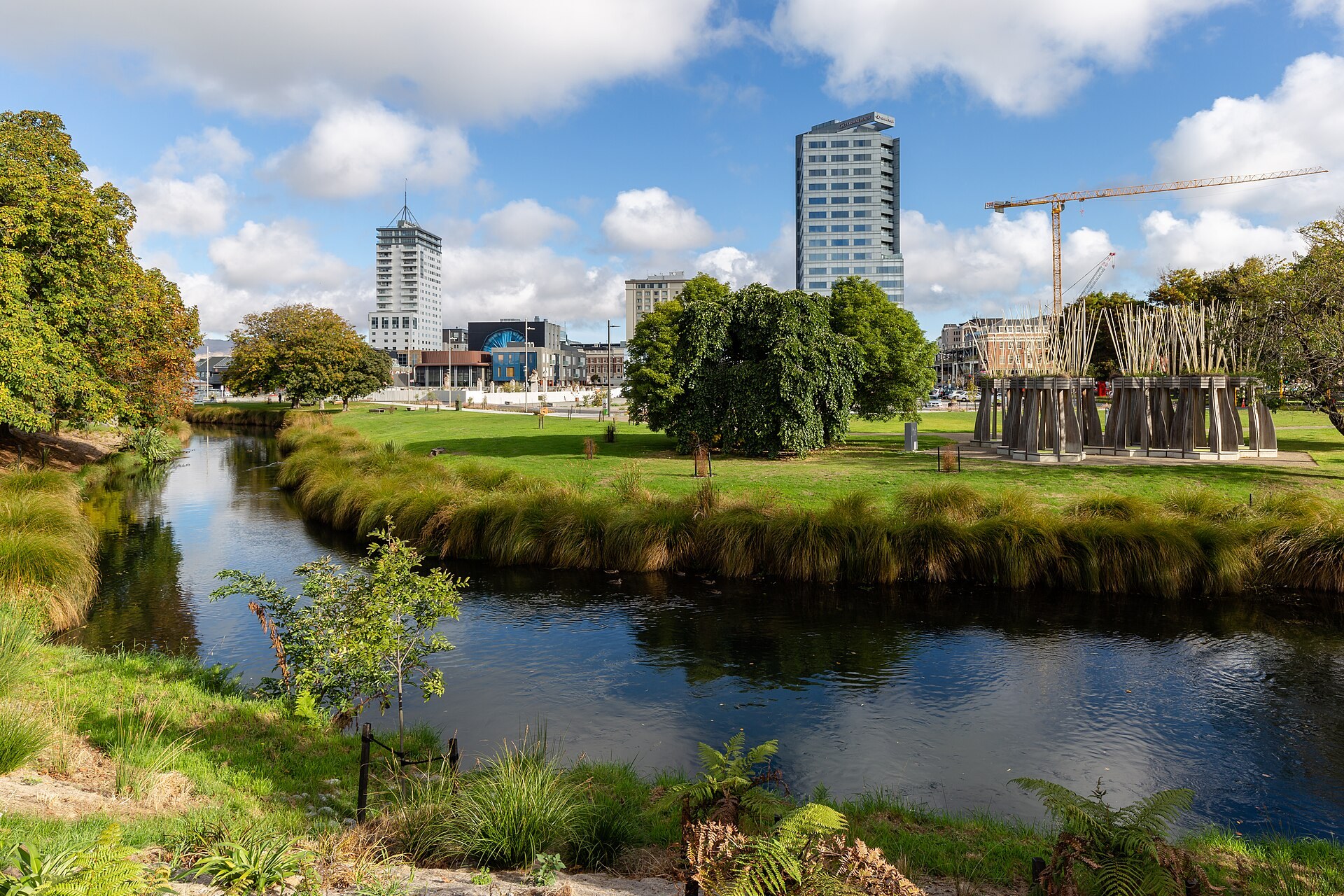
Visit the central city using legal daytime parking that fits your vehicle, then explore on foot or use suitable local transport. The Botanic Gardens, the Ōtakaro Avon River and Riverside Market make a natural mix of green space, walking and food. The central-city camping prohibition still applies after your sightseeing day. Find city-day ideas from ChristchurchNZ.
Coastal day: New Brighton at an unhurried pace
Spend time at the beach and pier, then consider He Puna Taimoana if you would like a paid hot-pool visit. Check availability directly. If you stay in the coastal zone, record the dates and location, keep within the four-night total, and choose a legal second location at least 500 metres away after your first two nights. If you would rather put out chairs or stay longer, use a holiday park.
Harbour or peninsula day: choose one direction
Choose Lyttelton and Naval Point for a harbour-focused stop, or allow more time for Akaroa and the peninsula drive. Do not treat every bay along the way as an overnight option. For a slower peninsula visit, combine the designated Akaroa area with a properly booked campground rather than trying to reset the two-night allowance by changing bays.
Moving on: service the van first
Before heading into inland Canterbury or towards the southern lakes, empty waste at an approved station, refill drinking water and check your next overnight destination. Coes Ford or Lakeside Domain may suit a southern departure, while Whitecliffs can suit an inland detour in summer. These are route-planning suggestions, not promises of openings or available spaces. For a longer journey, see our Christchurch to Queenstown route guide or organise your stops with Side Quest.
Frequently asked questions
Can I freedom camp in Christchurch without a self-contained van?
Not on Christchurch council land under the ordinary freedom camping rules. Stay at a campground with facilities. Selwyn’s designated camping reserves operate under a different policy; check its site permissions if you are considering a tent or uncertified vehicle there.
Does a blue warrant or a green sticker count?
No. The blue-warrant transition has ended. You need the current certificate and valid green warrant card displayed in the windscreen. The council’s 2026 brochure specifically says green stickers have no meaning for certification.
Can I sleep beside New Brighton Pier?
Not in the North Ramp or South Ramp car parks immediately beside the pier. Other legal roadside locations may be available within the City Coastal Restricted Zone, but the zone rules, parking restrictions and parks-and-reserves ban all still apply.
Can I move 500 metres every two nights and stay all month?
No, not in the City Coastal Restricted Zone. Its total limit is four nights in any 30-day period. The 500-metre move is an additional requirement, not a way around that cap. Naval Point and Akaroa each limit use of their designated area to two nights in any 30 days.
Are these spaces bookable?
Selwyn explicitly says its free reserve spaces do not require bookings and are first in, first served. The Christchurch sources used here do not offer a reservation system for the designated freedom camping spaces. Do not assume a space will be waiting; arrange a campground backup when certainty matters.
Can I camp in Hagley Park or a beach reserve?
No. Camping in Christchurch council parks and reserves is prohibited except at designated campgrounds. A toilet, picnic table or public car park does not change that.
Are the Selwyn reserves open all winter?
No. Seasonal closures apply. During the 2026 low-use period, only Chamberlain’s Ford of the four listed free reserves remained available overnight. Check the current notice each year; daytime access does not mean overnight camping is permitted.
What should I do if the legal area is full?
Move to another confirmed legal option or a campground. Do not park outside the marked area, use two bays, block access or move into a prohibited neighbouring car park. That is why a backup plan is worth making before sunset.
Can I leave chairs and an awning outside?
Not in coastal-zone parking spaces. Roadside camping areas are not intended for a traditional spread-out camping set-up. At other restricted sites, keep all activities within the permitted space and follow the signs. Choose an appropriate campsite if outdoor living space is important to your trip.
Official sources and your final overnight checklist
The site permissions, limits, facilities and enforcement details in this guide come from the sources below. The council camping map is the best starting point for checking a specific location; its signs and temporary notices matter just as much on arrival.
- Christchurch City Council: camping and campervans, interactive map and current fines
- Christchurch City Council: Freedom Camping Bylaw 2021 and mapped schedules
- Christchurch City Council: June 2026 camping brochure and facilities
- Christchurch City Council: June 2026 self-containment deadline
- Christchurch City Council: October 2026 number-plate monitoring trial
- Christchurch City Council: October 2026 tsunami-zone changes
- Selwyn District Council: camping reserves, facilities and stay limits
- Selwyn District Council: responsible camping guidance
- Selwyn District Council: 2026 low-use overnight closures
- Waimakariri District Council: Northern Pegasus Bay camping restrictions
- Department of Conservation: freedom camping on conservation land
For a Christchurch location you cannot confidently identify, contact Christchurch City Council on 03 941 8999 or 0800 800 169. Ask about the exact site, not just the suburb.
- Check the current map, land manager, signs and any temporary closure.
- Confirm your vehicle’s warrant, certificate, occupancy limit and suitability for the available space.
- Record your previous nights so you stay within the correct 30-day or seasonal allowance.
- Bring drinking water, have room in your waste tanks and know your next approved dump station.
- Check weather, flood conditions and the current coastal evacuation zone where relevant.
- Keep a legal backup, leave access clear and take all waste with you.
Start your Christchurch campervan trip
Compare campervan categories for pickup in Christchurch and request a booking without creating an account. Before planning freedom camping nights, ask the rental partner to confirm the specific vehicle’s current self-containment certification.
Heading north afterwards? Read our Nelson freedom camping guide for its separate council rules and permitted sites.